
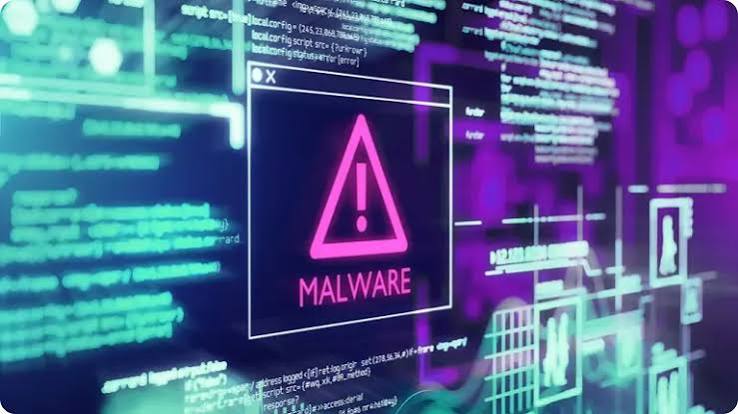
How to troubleshoot common email issues?
Email has become an essential part of everyday life. People use it to communicate with family and friends, manage work, receive important notifications, share documents, and access online services. Because of its importance, even a small email problem can cause frustration and disrupt your daily routine.
Check Your Internet Connection
-
A stable internet connection is essential for sending and receiving emails.
-
If your connection is weak or unavailable, your email application may fail to update your inbox or send outgoing messages.
-
Open a website or another online application to confirm that your internet connection is working properly.
-
If the connection is unstable, reconnect to your network and try checking your email again.
Restart Your Device
-
Many temporary software issues can be solved by simply restarting your device.
-
Whether you use a computer, tablet, or smartphone, restarting refreshes background services and clears temporary system errors.
-
After your device restarts, open your email application and check whether the issue has been resolved.
Verify Your Login Information
-
One of the most common reasons users cannot access their email account is incorrect login information.
-
Carefully check your email address and password before signing in again.
-
Typing mistakes, incorrect capitalization, or recently changed passwords may prevent successful access.
-
If necessary, reset your password using the account recovery option.
Check Available Storage
-
A full mailbox may prevent new emails from arriving.
-
Delete unnecessary messages, empty the trash folder, and remove unwanted attachments to create additional storage space.
-
Keeping your mailbox organized not only improves performance but also makes it easier to find important messages.
Review Spam and Junk Folders
-
Sometimes legitimate emails are mistakenly filtered into spam or junk folders.
-
If you are expecting an important message, check these folders before assuming the email was never delivered.
-
Mark trusted messages as safe to improve future email delivery.
-
Regularly reviewing these folders helps prevent missed communications.
Confirm Email Synchronization
-
If your inbox is not updating, synchronization may be disabled.
-
Open your email application settings and confirm that synchronization is enabled.
-
If synchronization has stopped, turning it back on should allow your inbox to refresh automatically.
Update Your Email Application
-
Outdated email applications may experience compatibility issues, security problems, or unexpected errors.
-
Installing the latest version of your email application helps improve stability and performance.
-
Updated software also provides better compatibility with current operating systems.
Update Your Operating System
-
Keeping your operating system updated is just as important as updating your email application.
-
Operating system updates often include improvements that enhance software compatibility and fix known issues.
-
After completing the update, restart your device and check your email again.
Check Your Email Settings
-
Incorrect account settings may prevent emails from sending or receiving properly.
-
Review your account configuration carefully and confirm that all information has been entered correctly.
-
Even a small error in the settings can interrupt email communication.
Clear Application Cache
-
Over time, temporary files stored by your email application may become damaged.
-
Clearing the application cache removes outdated data and allows the application to create fresh files.
-
After clearing the cache, reopen the email application and check whether it works normally.
Disable Conflicting Applications
-
Certain background applications may interfere with your email program.
-
Close unnecessary applications and check whether your email begins working correctly.
-
If the issue disappears, another application may have been causing the conflict.
Check Date and Time Settings
-
Incorrect date and time settings may interfere with secure communication between your device and email servers.
-
Enable automatic date and time settings to ensure they remain accurate.
-
Correct system time helps maintain secure connections.
Review Email Filters
-
Email filters help organize incoming messages, but incorrect filter settings may move important emails into unexpected folders.
-
Review your filter rules and remove any unnecessary settings that could affect incoming mail.
-
Proper filter management keeps your inbox organized without hiding important messages.
Check Attachment Size
-
Large attachments may prevent emails from being sent successfully.
-
If your message contains several large files, consider reducing their size before sending.
-
Smaller attachments improve sending speed and reduce delivery issues.
Test Another Device
-
If your email works on another device, the problem may be related to your original computer or phone.
-
Testing another device helps determine whether the issue is account-related or device-specific.
-
This information can make troubleshooting much easier.
Common Email Problems
Many email issues fall into familiar categories.
Some of the most common include:
-
Unable to sign in.
-
Emails not arriving.
-
Emails not sending.
-
Inbox not updating.
-
Missing messages.
-
Slow email performance.
-
Attachment problems.
-
Synchronization errors.
-
Login failures.
-
Storage limitations.
Recognizing the type of issue helps identify the most suitable solution.
FAQs
Why am I not receiving emails?
This may happen because of internet connection problems, full mailbox storage, synchronization issues, spam filtering, or incorrect account settings.
Why won't my emails send?
Outgoing messages may fail because of connection issues, large attachments, incorrect settings, or temporary software problems.
Can restarting my device fix email problems?
Yes. Restarting refreshes system processes and often resolves temporary software issues affecting email applications.
Why is my inbox not updating?
Synchronization may be disabled, your internet connection may be unstable, or your email application may require an update.
Should I keep my email application updated?
Yes. Regular updates improve security, compatibility, and overall performance while reducing software-related issues.
Conclusion
Email problems can be frustrating, but they are often caused by simple issues such as internet connectivity, incorrect settings, outdated software, storage limitations, or temporary system errors. Fortunately, most of these problems can be resolved with basic troubleshooting.
.png)
.png)